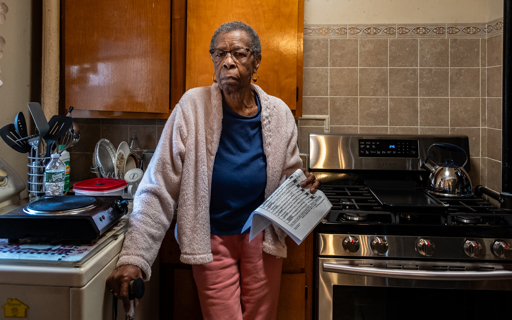
Dozens of public housing apartments will get plug-in induction ranges as part of the initiative, which aims to eventually shift 10,000 NYCHA homes off the use of polluting fossil fuel appliances.
That manual entry is different from the danger case; it’s just telling you that the stove won’t do anything, which is what ones I’ve actually encountered do: they have a sensor which detects a non-ferromagnetic material, and keeps the stove from activating.
Sure stuff can fail. But designed right, it means that the stove breaks, not that it puts people in danger.
Then you should also remove my post about it being possible to blow out a wall with a gas stove. It might also scare people. It’s here, I kindly request that you review it:
The key difference is this: gas explosions happen fairly regularly, and require training to prevent even some of them. Some sort of stove-melts disaster is something that doesn’t seem to actually happen that I can tell.


That manual entry is different from the danger case; it’s just telling you that the stove won’t do anything, which is what ones I’ve actually encountered do: they have a sensor which detects a non-ferromagnetic material, and keeps the stove from activating.
Sure stuff can fail. But designed right, it means that the stove breaks, not that it puts people in danger.
This is a bunch of scaremongering.
Then you should also remove my post about it being possible to blow out a wall with a gas stove. It might also scare people. It’s here, I kindly request that you review it:
https://slrpnk.net/comment/19887409
Moderation practises should be consistent, in my opinion.
The key difference is this: gas explosions happen fairly regularly, and require training to prevent even some of them. Some sort of stove-melts disaster is something that doesn’t seem to actually happen that I can tell.
True.