
Not just 80085
D 80085
Not just 80085
D 80085

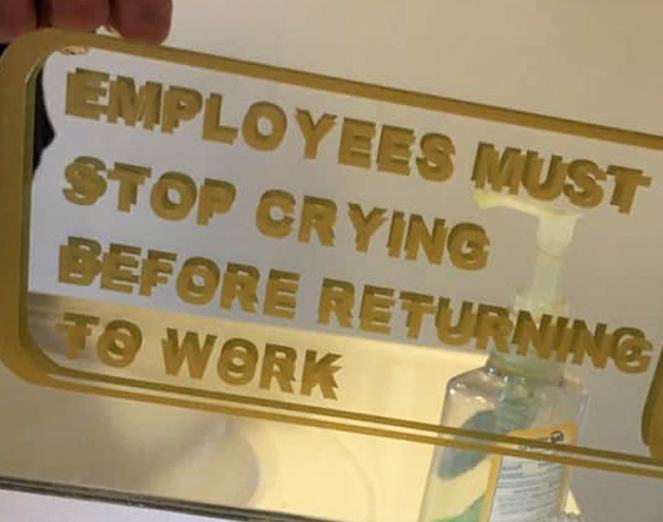
As a poly person, lol, and fuck those societal norms. Not to mention, it’s really sad to societally pressure bi people into denying one whole half of their sexual identity :(
Ah that’s what I meant, oops

Spirit Airlines - the “we have Southwest Airlines at home” airline
That’s delightfully wholesome. You’re a good meatbag ❤️


🎶 fat bottomed bees 🎶

I think some will, but Schumer definitely won’t
Oh wait, it did? TIL. LPCAMM, or SODIMMs?

Don’t get me wrong, I would be pretty pissed to be laid off, but how fucking hilarious would it be if all the captains of industry keep cutting their staff so aggressively that it actually cuts the bottom out of the LLM spend because they just need a lot fewer licenses?
Yes, I know, they’re just gonna bill per usage in the very near future, but it’s funny to imagine them shooting themselves even more in the foot like that.
The “s” means it’s a tiny bit thinner and lighter, but the components are soldered on so you can’t upgrade anything.
One of the big selling points of the newest T14 is that it is probably the most modular and repairable modern laptop you can get, except for Frameworks.
Get the non-s if you care even a little bit about that part.

The profusion of drone systems on the Ukrainian side, combined with the fact that they are absolutely on the bleeding edge of doctrinal development for drone warfare, also combined with the fact that Ukraine has orders of magnitude more esprit de corps than the vatniks definitely seems to be yielding some serious dividends.
сла́ва Украї́ні!
Yeah, Star Trek: The One With The Whales was pretty silly

The clock should be used for entertainment purposes only
Oh look it’s another stupid fucking idea from Microslop


egg salad extruder
egg salad angle grinder
egg salad impact gun
Oh, absolutely. But I’ll be honest: at this point, it just doesn’t surprise me anymore, and the general baseline idiocy, incuriosity, myopicism, and greed of the culture here are pretty big factors in why I have come to feel so alienated despite being born here, and why I’m thinking about emigrating a lot more seriously.
I genuinely struggle to control my snark when people start talking about how we’re going to “recover” from this. “This” is a symptom, not the root cause. As far as I can see, the entirety of our political machine is hell bent on ignoring the root cause, because the root cause is too profitable - for now.

lol this is honestly the best brainrot trend I think I’ve ever seen










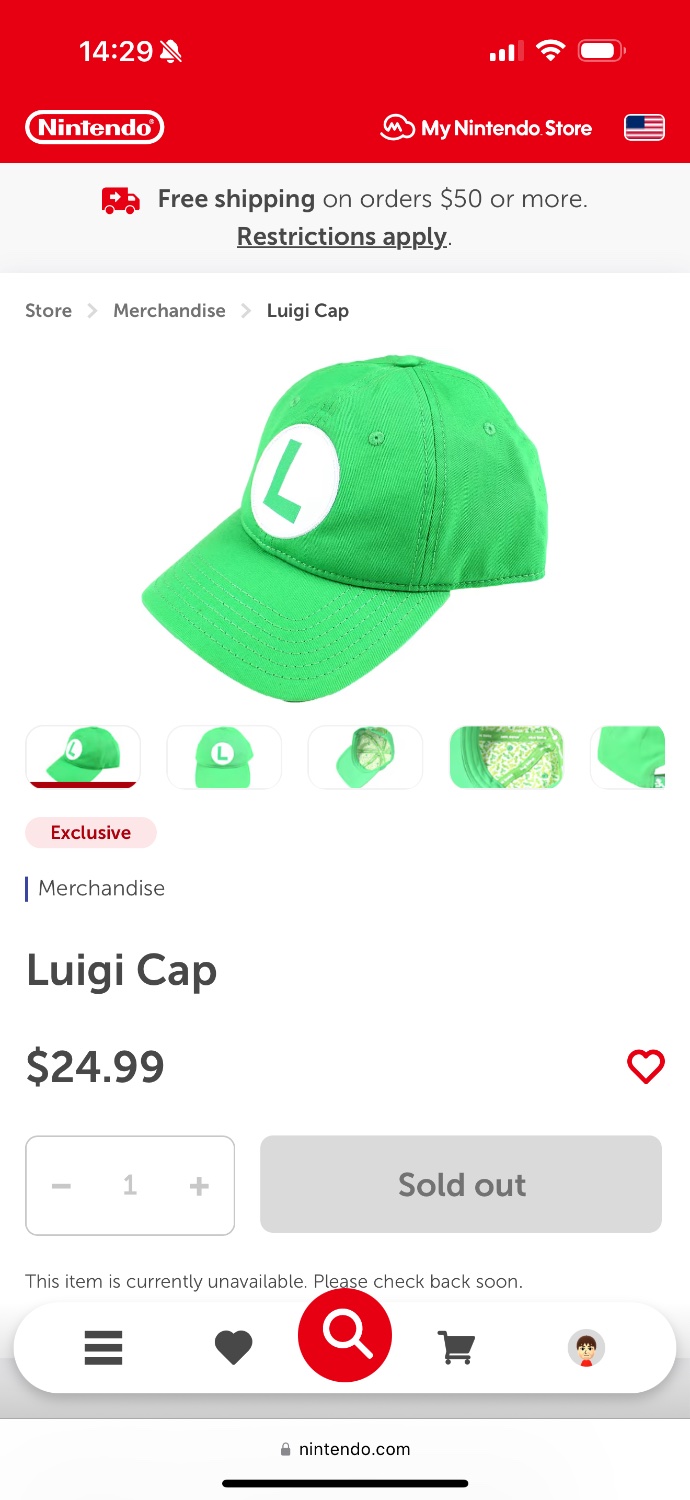
Wow I never actually thought hoarding random computer components would become anything more than an amusing hobby, but here we are