You know that footage of the swarm of locusts so thick it blots out the sun, swarming over a field of corn? And when they leave, it’s like the field got flattened by a very big, very hungry hammer?
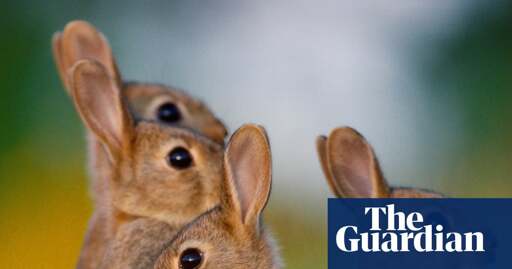
That. But imagine if it was fluffy.
Now, keeping that picture in mind, spread that out over a wide area with no real natural predators that are large or voracious enough to pose a real check on their population.
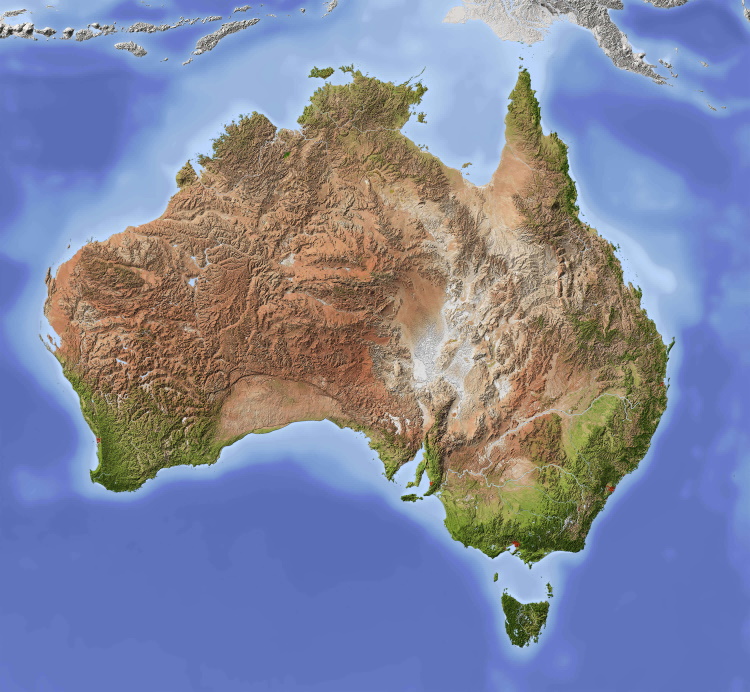
Rabbits aren’t native to Australia. At all. The flora never evolved to withstand that kind of aggressive grazing. They. Eat. Everything. Including the scrub that protects the topsoil and keeps it from drying out and blowing away in dust storms.
Then what would you say is a more serious ecological threat to the native flora and fauna of the continent? Apart from global warming, that one’s a given.
I’m being serious, I want to hear what you have to say.

Had an Australian friend explain it to me once.
You know that footage of the swarm of locusts so thick it blots out the sun, swarming over a field of corn? And when they leave, it’s like the field got flattened by a very big, very hungry hammer?
That. But imagine if it was fluffy.
Now, keeping that picture in mind, spread that out over a wide area with no real natural predators that are large or voracious enough to pose a real check on their population.
This is a pretty serious problem.
You just described a threat to farmers, not native species.
See, here’s the thing.
Rabbits aren’t native to Australia. At all. The flora never evolved to withstand that kind of aggressive grazing. They. Eat. Everything. Including the scrub that protects the topsoil and keeps it from drying out and blowing away in dust storms.
Yes, I know. I am Australian. This is an Australian community.
Then what would you say is a more serious ecological threat to the native flora and fauna of the continent? Apart from global warming, that one’s a given.
I’m being serious, I want to hear what you have to say.