Japan is not technically correct. One is required to have healthcare coverage, but some people skirt the law and don’t. We also pay at point of service, pay for prescriptions, etc. This is on top of paying for insurance (though your company may offer insurance that it pays some/all of). There are tax procedures once medical out-of-pocket reaches 100k JPY in a year and a way to reduce/eliminate further cost.
The Netherlands has a solution to that free-rider problem. You can “opt out” of healthcare, but if you do so, you must pay every month to a fund for yourself; and if you get injured, all costs are on you, unreimbursed. If it’s empty, your problem.
So in practice, you’re still required to be covered, but if you “opt out”, all costs are on you. And you also will get lower priority in treatment compared to others that are normally covered. Last I recall there are very few people that do so.

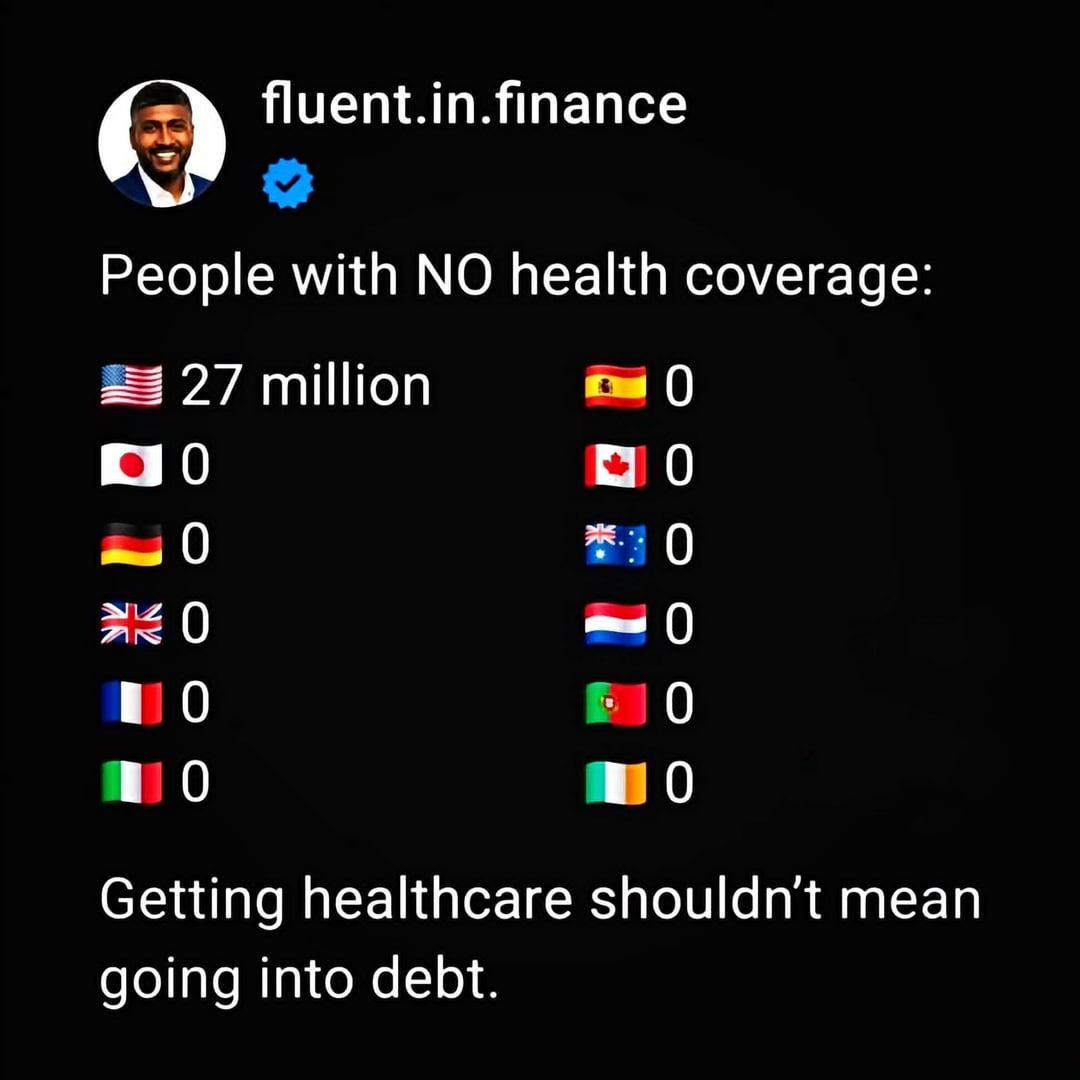
Japan is not technically correct. One is required to have healthcare coverage, but some people skirt the law and don’t. We also pay at point of service, pay for prescriptions, etc. This is on top of paying for insurance (though your company may offer insurance that it pays some/all of). There are tax procedures once medical out-of-pocket reaches 100k JPY in a year and a way to reduce/eliminate further cost.
The Netherlands has a solution to that free-rider problem. You can “opt out” of healthcare, but if you do so, you must pay every month to a fund for yourself; and if you get injured, all costs are on you, unreimbursed. If it’s empty, your problem.
So in practice, you’re still required to be covered, but if you “opt out”, all costs are on you. And you also will get lower priority in treatment compared to others that are normally covered. Last I recall there are very few people that do so.